Strawberry Font: A Sweet Treat for Your Creative Projects
Imagine a typeface that feels like the first bite of a ripe berry on a warm afternoon—bursting with personality, a little playful, and impossible to forget. That’s the energy a well-crafted display font brings to a design. For anyone working on a project that needs to communicate joy, freshness, or a touch of whimsy, the visual language of your typography is your first handshake with the audience. It sets a mood before a single word is read, and finding that perfect match can transform a good idea into a great one.
More Than Just a Pretty Face: The Anatomy of a Whimsical Typeface
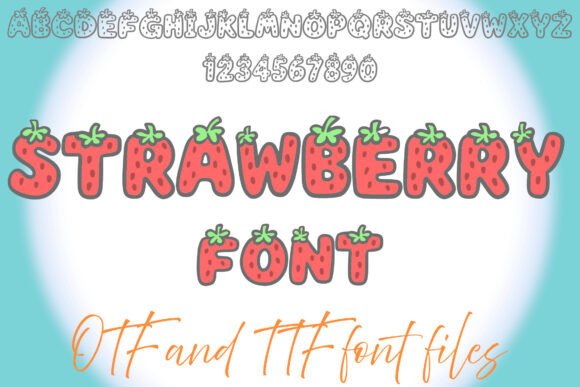
At its core, a display font like Strawberry is designed to be the star of the show. Unlike a workhorse serif font or a clean sans serif meant for body text, its job is to grab attention and evoke a specific feeling. This particular typeface takes its inspiration directly from nature, featuring bubbly, rounded letterforms that mimic the plump shape of the fruit itself. Each character is crowned with a delicate, leafy stem, adding an organic, hand-drawn quality that feels authentic and inviting. The subtle dot texture scattered across the letters is the clever finishing touch, nodding to the berry's seeds and giving the font a tangible, almost three-dimensional feel.
This combination of features—the generous curves, the natural accents, and the playful texture—creates what designers call a "high personality" asset. It’s a creative font that doesn’t just sit quietly on the page; it contributes actively to the story. The visual weight and distinct silhouette make it instantly recognizable, which is a huge advantage when you’re trying to build brand recognition or make a social media graphic stop the scroll.
Practical Applications: Where This Font Truly Shines
The real test of any design asset is how it performs in the wild. A font that looks beautiful in a specimen sheet but falls apart in a logo or on a product label isn’t a practical tool. The strength of a themed display typeface lies in its ability to be strategically applied to the right contexts. Its charming, approachable vibe makes it a natural fit for projects targeting families, children, or anyone looking to convey warmth and handmade quality.
Think about a local bakery rebranding its packaging. Using this typeface for the logo and product names on jam jars or pastry boxes immediately communicates a homemade, artisanal quality. For a children’s book author, it can create a cohesive and magical visual world on the cover and chapter headings. Event planners can leverage its playful energy for summer party invitations or farmer’s market promotions, setting the tone for a fun, community-focused experience. It’s equally effective for:
- Digital Presence: Creating eye-catching headers for a blog about gardening or family recipes, designing unique social media graphics for a food blogger, or styling a hero section on a website for a kid’s clothing line.
- Print & Merchandise: Designing playful posters for a community fair, crafting unique merchandise like tote bags or t-shirts for a small business, or adding a sweet touch to editorial layouts in a lifestyle magazine.
- Marketing Assets: Developing memorable branding for a fruit-based beverage, creating engaging digital products like printable party kits, or designing assets for a summer sales campaign that needs to feel fresh and energetic.
The key is intentionality. You wouldn’t use this for a corporate law firm’s annual report, but for a project where a dose of sweetness and approachability is the goal, it becomes an invaluable part of your design toolkit.
Strategic Pairings and Readability: Making It Work
One of the most common questions with a strong display font is, "What do I pair it with?" The goal is to let the headline font do the talking while supporting text remains clear and easy to read. A general rule of thumb is to contrast styles. If your display font is round and decorative, pair it with a simple, clean sans serif for body copy. This creates visual hierarchy and ensures your message is communicated without overwhelming the reader.
For example, pairing Strawberry with a neutral, modern sans serif like Open Sans or Lato for paragraphs allows the bubbly headers to pop without sacrificing readability. You might also consider a soft, rounded sans serif to complement the playful theme. Always test your pairings in context—mock up a business card, a social media post, or a webpage layout to see how the two fonts interact in terms of size, weight, and spacing.
It’s also wise to review the full character set and any included font styles. Does it come with alternates or ligatures that can add extra flair? Understanding the full scope of the asset helps you use it more creatively and avoid surprises during a project. For commercial work, always verify the licensing. A premium font typically comes with a license that covers a specific number of users or projects, so ensuring you have the correct permissions for your intended use—whether for a client’s logo or merchandise for sale—is a professional necessity.
Choosing Your Typographic Voice
Selecting a typeface is a bit like casting a role in a play. You need the right voice for the part. A script font might whisper elegance, a bold sans serif might shout confidence, and a playful display font like this one sings with joy and nostalgia. Your typography is a silent ambassador for your brand identity. It influences how your audience perceives your professionalism, your creativity, and your attention to detail.
When you’re in the planning phase of a project, take a moment to define the emotional response you want to evoke. Is it trust? Excitement? Comfort? Fun? Let that guide your font selection. Browse design platforms and mood boards not just for what looks trendy, but for what feels right for your specific story. Sometimes the most effective choice isn’t the most complex one, but the one that aligns perfectly with your project’s core message.
In the end, great design is about communication. The right creative font, used thoughtfully, doesn’t just decorate a page—it clarifies your message, strengthens your brand’s presence, and creates a more engaging experience for your audience. Whether you’re a designer crafting a client’s vision, a small business owner building your brand from the ground up, or a content creator looking to add more personality to your work, having a versatile and expressive typeface in your library opens up new possibilities for connection and creativity.