Bug Font: The Unpredictable Element Your Brand Needs
Every designer hits a wall. You’re scrolling through the same tired font libraries, the same predictable serifs and sans-serifs, and nothing feels right. Your project needs a spark, a typographic voice that doesn’t just speak but shouts with personality. You’re not looking for another safe, corporate typeface. You’re looking for something with edge, something that feels intentionally crafted yet thrillingly alive. That search often ends when you discover a font like Bug, a typeface that doesn’t just sit on a page but actively shapes the narrative around it.
A Typeface with Built-In Creative Tension
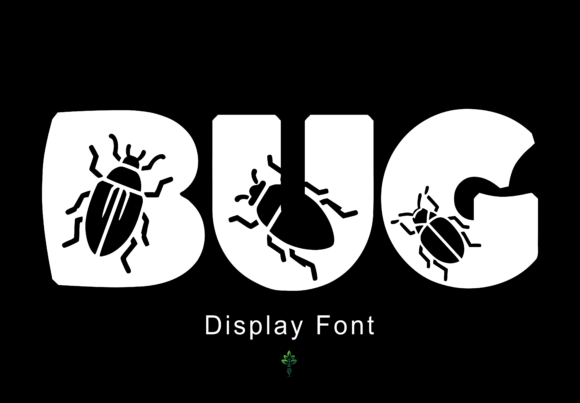
What immediately sets Bug apart is its captivating amalgamation of precision and unpredictability. It’s a modern typography masterpiece that feels both engineered and organic. The letterforms are meticulously perfected, with consistent stroke weights and deliberate curves that ensure a clean, professional presentation. Yet, within that structure, there’s a subtle dynamism—a sense of movement and raw energy. This isn’t a font that whispers; it converses with the viewer, pulling them into its vivid universe of creative articulation. It’s the kind of display font that can carry an entire brand identity on its shoulders, providing that unrivaled visual impact deeply embedded in the DNA of its design.
Practical Magic: Where Bug Truly Shines
Understanding a font’s personality is one thing; knowing where to deploy it is where the real strategy lies. Bug isn’t a one-trick pony. Its versatility allows it to elevate a wide array of projects, each with a distinct result.
For Branding & Logo Design: If your brand aims to be seen as innovative, bold, and slightly avant-garde, Bug is a prime candidate. It works exceptionally well for logos in creative industries—think music venues, indie game studios, avant-garde fashion labels, or craft breweries. The font’s unique character ensures instant brand recognition, making your mark memorable from the first glance.
Packaging & Merchandise: On a crowded shelf or an online store, packaging design needs to stop someone in their tracks. Bug’s striking presence can do just that. Imagine it on a limited-edition vinyl sleeve, a minimalist coffee bag, or artisanal candle packaging. For merchandise like t-shirts, tote bags, or posters, Bug transforms simple text into a graphic element itself, adding significant value to the product.
Digital Presence & Content: In the realm of web design and social media graphics, attention spans are short. Using Bug for website headers, hero section titles, or key social media posts can create immediate visual hooks. It’s perfect for a blog’s main title, a YouTube channel’s logo, or the standout text in an infographic. For digital products like e-books or online course materials, it can frame chapter headings and key takeaways, enhancing the perceived value and professionalism of the content.
Print & Editorial Layouts: Don’t limit Bug to digital. In editorial design, such as magazine covers, feature article headlines, or event posters, this creative font injects energy and a contemporary feel. It pairs surprisingly well with more neutral body copy, creating a dynamic hierarchy that guides the reader’s eye effectively.
Making It Work: A Designer’s Practical Guide
Introducing a font with this much personality requires a thoughtful approach. Here’s how to integrate Bug successfully without overwhelming your project.
- Define Your Goal First: Are you aiming for disruption, sophistication, or playful energy? Match the font’s personality to your project’s core message. Bug’s strength is in making a statement, so use it where a statement is needed.
- Master the Pairing: This is crucial. Bug demands a complementary partner. For most projects, pairing it with a clean, highly legible sans-serif or a classic serif for body text creates balance. Test pairings rigorously. A good rule is to let Bug handle the headlines and a simpler typeface manage the paragraphs.
- Respect Readability: While Bug is designed for impact, always consider context. It may not be the best choice for long-form body copy at small sizes. Use it strategically for titles, pull quotes, and short bursts of text where its details can be appreciated without hindering comprehension.
- Explore the Included Styles: A premium font family often comes with variations. Check if Bug includes different weights (Light, Regular, Bold) or styles (Italic). These variations give you more tools to create nuance and hierarchy within your designs using a single, cohesive typeface.
- License with Confidence: Before using Bug for any commercial project—from client logos to merchandise for sale—ensure you have the correct commercial license. This protects you legally and supports the type designers who create these valuable assets.
The Final Word on Typographic Personality
Choosing a typeface like Bug is a commitment to a certain kind of visual conversation. It’s for the designer, entrepreneur, or creator who understands that typography is a fundamental pillar of visual communication, not just an afterthought. It won’t be the right fit for every project, and that’s its greatest strength. When it is the right fit, it doesn’t just improve visual consistency or professional presentation; it becomes the heartbeat of the design, infusing it with an irresistible attraction that resonates with your audience. In a world of safe choices, Bug is a deliberate, powerful step into a more expressive typographic future.