Handmade Embroidery: A Font with Heart for Your Creative Projects
There’s a certain magic in something made by hand. The slight imperfections, the warmth of a personal touch, the feeling that a real person poured their creativity into it. In the world of digital design, that authentic, human feel can sometimes be hard to find. This is where a font like Handmade Embroidery steps in. It’s not just a collection of letters; it’s a digital handshake, a friendly wave, and an invitation to connect, all wrapped up in a charming, hand-drawn aesthetic. If your designs feel a little too sterile or corporate, this casual and creative typeface might be the exact ingredient you need to infuse some genuine personality.
Understanding the Visual Appeal of a Hand-Drawn Typeface
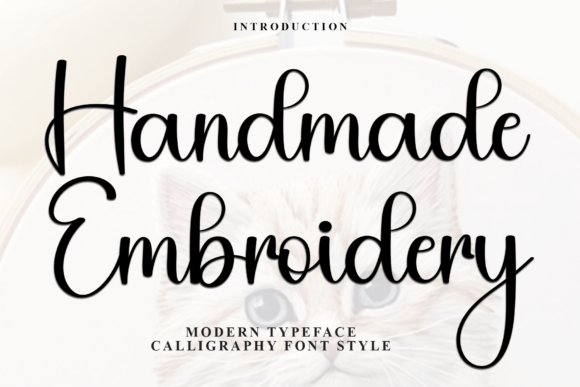
What makes this particular font style so visually engaging? It all comes down to its character. The Handmade Embroidery font is built with round, playful strokes that create an instantly relaxed and approachable feel. Unlike rigid, geometric sans-serif fonts, its letterforms mimic the natural variations of a hand drawing or stitch. This isn't about technical perfection; it's about conveying a sense of warmth, authenticity, and fun. This handwritten font aesthetic works beautifully because it triggers an emotional response. It feels personal, bespoke, and crafted with care—qualities that resonate deeply in our often-impersonal digital landscape.
This creative font is a premium font designed for real-world use. It comes equipped with standard PUA Encoded glyphs, which is a technical way of saying it’s built to work seamlessly in the tools you already use. Whether you’re working in Adobe Photoshop, Adobe Illustrator, Corel, or even user-friendly platforms like Canva, you can access all its characters and alternates without hassle. This practicality means you can spend less time wrestling with software and more time creating.
Where Can a Font Like This Shine?
The beauty of a versatile display font like this is its wide range of applications. It’s not limited to one niche; instead, it acts as a versatile tool in your design assets toolkit. Consider how it could elevate various projects:
- Branding & Logo Design: For small businesses, artisan makers, cafes, or boutique studios, a logo design using this font can immediately communicate a friendly, handmade, and approachable brand identity. It tells customers, "We’re human, and we care about the details."
- Packaging Design: Imagine this font on a bag of artisan coffee, a candle label, or a box of baked goods. It enhances the perceived value and story behind the product, making the packaging design itself part of the unboxing experience.
- Social Media Graphics & Marketing Assets: In a sea of polished, sometimes impersonal content, a social media graphic with a handwritten touch can stop the scroll. It’s perfect for Instagram quotes, sale announcements, or story slides that need to feel personal and engaging. It’s a key part of effective marketing assets.
- Invitations & Print Materials: From wedding invitations to party flyers or thank-you cards, this font sets a warm and welcoming tone from the outset. It carries that same charm into editorial design for magazines or zines with a personal theme.
- Digital Products & Web Design: Use it for headings on a blog, titles in an e-book, or call-to-action buttons on a website. It adds a unique touch to web design that helps a site feel more curated and less template-driven.
- Merchandise & Posters: Think about t-shirts, tote bags, or motivational posters. The font’s hand-drawn aesthetic makes it ideal for merchandise that people want to wear or display because it feels like art, not just a logo.
Making It Work: Practical Typography Tips
Finding a great font is the first step; knowing how to use it effectively is what creates professional results. Here’s some practical advice for integrating a font like Handmade Embroidery into your work.
Choose for Context, Not Just Style. While you might love the font, always ask if its personality matches your project’s goals. Its casual, friendly vibe is perfect for a children’s brand or a cozy lifestyle blog. For a law firm’s annual report, however, a more traditional serif font or clean sans serif font would be more appropriate. Modern typography is about intentionality.
Master the Art of Font Pairing. A script font or handwritten font like this is a star player, but it rarely works well alone for body text. The key is font pairing. Pair it with a simple, highly readable sans-serif (like Open Sans or Lato) for paragraphs or supporting information. This creates a clear visual hierarchy, ensuring your readability is never compromised while your headlines pop with personality.
Test Before You Commit. Always test your font choices in context. Does the Handmade Embroidery typeface look good at the size you need? Is it legible on both a desktop screen and a mobile device? Print out a sample for physical projects. This testing phase is crucial for maintaining visual consistency and a professional presentation across all touchpoints.
Review the Included Styles. Many premium fonts come with multiple styles—bold, italic, or alternate character sets. Explore these options. An alternate ‘g’ or ‘a’ might be the perfect solution to make a word fit better in your layout, giving you more creative control over your design.
The Bottom Line: Connecting Through Design
Ultimately, the tools we choose in design are about communication. A commercial font like Handmade Embroidery is more than just a typeface; it’s a communicator of mood and values. It helps you build brand recognition by consistently conveying a specific, warm personality. It can improve audience engagement because people are drawn to designs that feel human and relatable. In a crowded marketplace, this kind of authentic connection can be your greatest asset. So, whether you’re a designer crafting a client’s brand identity, a small business owner creating your own packaging, or a content creator looking for that perfect social media graphic style, consider the powerful, friendly charm of a hand-drawn font. It might just be the missing piece that makes your next project truly resonate.