Beautiful Black: A Typeface Where Every Letter Becomes Art
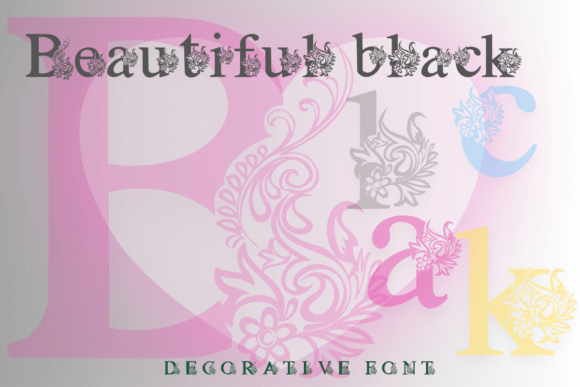
Imagine a typeface where the curve of a serif blossoms into a delicate floral curl, and the negative space within a letterform holds a tiny, intricate ornament. This isn't a description of a single decorative initial, but the defining characteristic of an entire font family. For designers and creatives seeking a premium font that transcends simple text to become a central design element, this unique approach offers a powerful way to inject personality and artistry into projects. It’s the kind of typography that makes you pause, look closer, and appreciate the craft, turning ordinary headlines into captivating focal points.
A Fusion of Classic Form and Ornamental Beauty
At its heart, this is a serif font, grounded in the timeless elegance and readability of traditional letterforms. The serifs—the small strokes at the ends of characters—provide a familiar, stable structure. What elevates it into the realm of the extraordinary is the floral embellishment woven into each glyph. These aren't afterthoughts or generic swirls; they are carefully integrated artistic details that transform letters into miniature works of art. The result is a display font with a distinct vintage yet luxurious feel, perfectly suited for applications where visual impact is paramount.
The personality of this typeface is one of elegant intricacy. It evokes a sense of handcrafted luxury, reminiscent of vintage book covers, ornate stationery, or detailed architectural ironwork. Because the decorations are inherent to the characters, using this font ensures a consistent level of artistry that would be time-consuming to replicate manually. This makes it an invaluable design asset for creating a cohesive and high-end brand identity or visual communication strategy.
Practical Applications: Where Artistry Meets Purpose
Understanding where such a distinctive creative font shines is key to leveraging its full potential. Its ornamental nature means it's best used strategically, typically for headlines, logos, and accent text where its details can be appreciated without compromising readability for longer passages.
- Branding and Logo Design: For businesses in luxury goods, bespoke services, high-end beauty, or artisanal crafts, this font can form the cornerstone of a memorable logo design. A wordmark set in this typeface immediately communicates sophistication, attention to detail, and a unique brand story.
- Invitations and Event Collateral: Wedding invitations, gala programs, and boutique event announcements are ideal contexts. The font's artistry sets a tone of exclusivity and care, making the invitation itself a keepsake.
- Packaging and Product Design: Imagine the name of a premium chocolate, a fine perfume, or a specialty tea elegantly rendered on its packaging. The font adds tangible perceived value, aligning the product with quality and craftsmanship.
- Editorial and Publication Design: In magazines, book covers, or editorial design for features on art, fashion, or culture, it can create stunning chapter titles or pull quotes that draw the reader's eye.
- Digital Presence and Social Media: Used thoughtfully, it can make a website's hero section or social media graphics stand out in a crowded feed. A single, beautifully set headline using this font can become a signature element for a blog or a content creator's brand.
- Marketing Assets and Digital Products: From elegant lead magnet covers to stylized quote graphics for Pinterest, the font adds a professional and artistic flair to digital products and marketing materials, enhancing engagement.
Integrating Artful Typography into Your Workflow
Adopting a font with such strong character requires a thoughtful approach to ensure it enhances rather than overwhelms your design. The goal is to let its beauty work for you, not against you.
Choose the Right Context: This is not the font for body text on a website or a dense report. Its strength is in display sizes—large headlines, logos, and short, impactful phrases. Think of it as the statement jewelry piece in an outfit, not the everyday uniform.
Master the Art of Font Pairing: The most effective way to use a highly decorative display font is to pair it with a clean, neutral companion. A simple sans serif font or a humanist serif font with low contrast makes an excellent partner for body copy, subheadlines, or UI elements. This contrast creates visual hierarchy, ensures readability, and allows the ornamental font to command attention without causing visual fatigue. Experiment with pairings to find the balance that serves your project's visual consistency.
Consider Licensing and Versatility: When investing in a commercial font, always review the licensing agreement to ensure it covers your intended use, whether for a client's brand, merchandise, or digital distribution. A quality font family will often include multiple styles—such as regular, bold, or italic—within its decorative framework, offering some flexibility while maintaining its core artistic identity.
Test for Impact and Clarity: Always test the font in your specific design mockups. View it at the actual size it will be used. Does the detail get lost when small? Does it maintain its elegance when large? Ensure the ornamental elements don't create unintentional shapes or hinder legibility, especially at a distance for items like posters or signage.
Elevating Your Visual Narrative
In a marketplace saturated with generic templates and overused fonts, choosing a typeface like this is a deliberate move toward distinction. It signals that a brand or creator values artistry, history, and the power of nuanced visual communication. It’s a tool for those who want their visual identity to tell a richer story, one where every letter contributes to an atmosphere of luxury, creativity, and meticulous design. By applying it with strategic restraint and pairing it wisely, you can transform standard projects into compelling visual experiences that resonate with an audience seeking authenticity and beauty. This approach to modern typography isn't just about choosing a font; it's about curating an element that becomes integral to your creative voice.