Strong Editorial Display: The Typeface for Modern Elegance
You've seen it before, maybe on a high-end cosmetics bottle or the cover of a design-forward magazine. That sense of quiet confidence, where the typography doesn't just speak—it whispers with authority. It’s a style that balances modern minimalism with classic sophistication, and achieving it often starts with a single, powerful choice: the right typeface. For designers and creatives aiming for that specific, polished aesthetic, a font like Strong Editorial Display becomes an indispensable tool in the toolkit.
A Study in Contrasts and Refinement
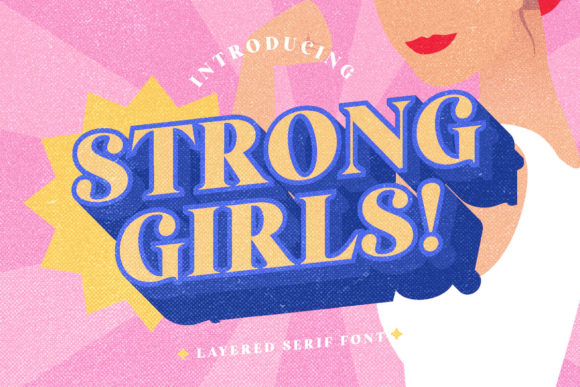
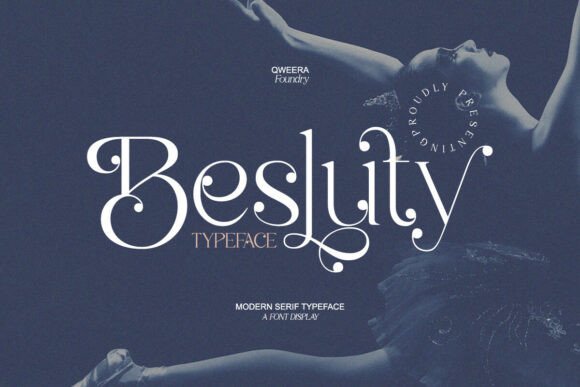
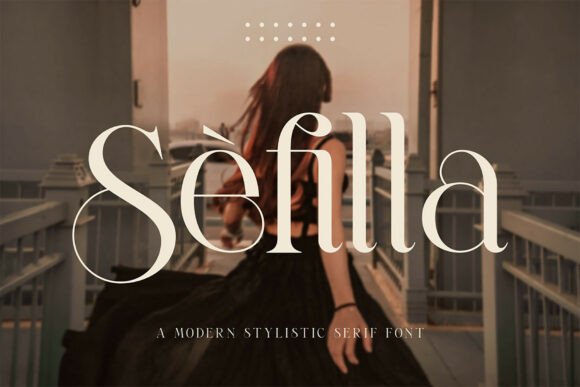
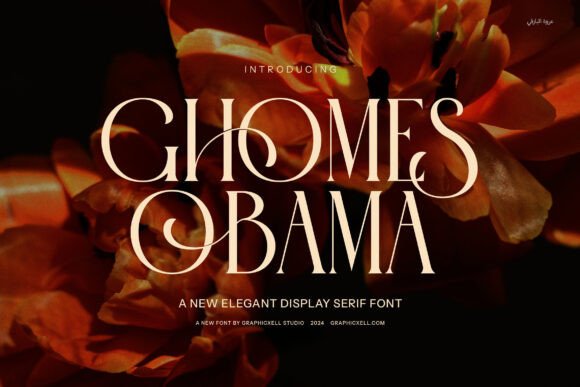
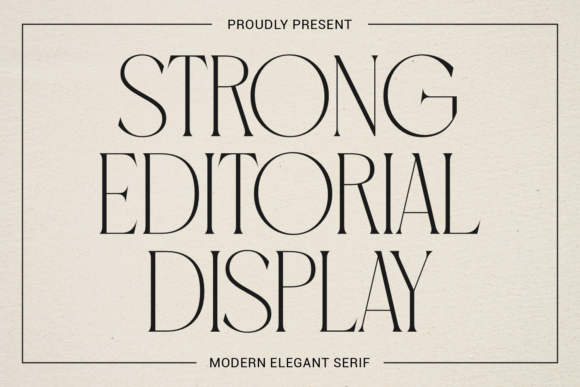
What immediately sets this premium serif font apart is its dramatic high-contrast design. The difference between its thick and thin strokes is pronounced, creating a dynamic rhythm on the page or screen. Yet, it avoids feeling heavy or dated. The fine, delicate hairlines inject a sense of modernity and airiness, while the sturdy verticals provide a solid, trustworthy foundation. This isn't a workhorse body text font; it's a display typeface engineered for impact. It’s designed to be the headline, the logo, the hero statement that draws the eye and sets the tone for an entire brand identity or editorial layout.
Where This Serif Font Truly Shines
Understanding the personality of a font is key to using it effectively. The visual character of Strong Editorial Display—elegant, assertive, and clean—lends itself to specific creative applications where first impressions are paramount. Think beyond just making words look "nice." Consider the project's goal and the audience's perception.
For branding and logo design, this typeface communicates luxury, quality, and attention to detail. A boutique hotel, a skincare line, or a premium furniture maker could use it to establish an immediate sense of upscale credibility. In packaging design, it helps products stand out on crowded shelves, suggesting the contents are crafted with care. Its clarity ensures the brand name is legible even from a distance.
The digital space is where this creative font proves its versatility. On a website, it can be used for impactful hero sections, pull quotes, or section headers, guiding visitors through the content with visual hierarchy. For social media graphics, it creates thumb-stopping posts for Instagram carousels, Pinterest pins, or LinkedIn banners, especially for industries like fashion, beauty, architecture, and design. It elevates a simple announcement into a branded piece of content.
Don't overlook its power in print and editorial design. It’s a natural fit for magazine mastheads, article titles, book covers, and event posters. The high-contrast style ensures headlines are striking from across a room or on a newsstand. For invitations and stationery, it adds a touch of formal elegance without feeling stuffy, perfect for weddings, galas, or corporate events.
Practical Advice for Implementation
Simply having a beautiful font isn't enough. Using it effectively requires a bit of strategy. First, always consider the context. A font that looks stunning in a large headline on a poster might become illegible if shrunk down for body text on a website. Strong Editorial Display is built for the big moments. Pair it with a clean, simple sans serif font for longer paragraphs to create a balanced and readable layout. A geometric sans or a neutral humanist sans often makes an excellent companion, providing contrast without competing for attention.
Test your pairings thoroughly. Don't just glance at them on your design screen. Check how they look on different devices, in print proofs, and at various sizes. Does the contrast in stroke weight between your headline font and body text create visual harmony or tension? Readability should always be the ultimate test.
Another key step is to explore the full font family. A quality commercial font like this often comes with more than just the standard regular weight. Look for stylistic alternates, different numeral sets, or additional weights. These features give you more creative control and help maintain visual consistency across all your design assets, from a massive billboard to a small favicon.
Finally, understand the licensing. For any project that goes beyond personal use—whether it's a client's website, merchandise for sale, or a digital product template—you need a commercial license. This ensures you're legally covered and often provides access to updates and support. It’s a professional practice that protects both you and your work.
Beyond the Hype: Does It Solve a Problem?
The true value of a design asset like a premium font isn't in its trendiness, but in its utility. Does it help you communicate more clearly? Does it make your work look more professional, thereby building trust with your audience? A well-chosen typeface like Strong Editorial Display does exactly that. It provides a reliable, sophisticated tool for projects that demand a specific level of polish. It helps creators—whether they're designing a brand identity for a new startup, crafting social media content for an existing business, or laying out a personal blog—achieve a cohesive and elevated visual language.
Ultimately, typography is about voice. Choosing a font is choosing how your message will sound before it's even read. For projects that need to speak with clarity, confidence, and a touch of modern elegance, investing in the right typeface isn't an expense; it's a foundational step in effective visual communication. It’s the detail that can make all the difference between a design that looks homemade and one that feels professionally crafted and ready for the world.