Street Shade: Capturing Urban Energy in Every Letter
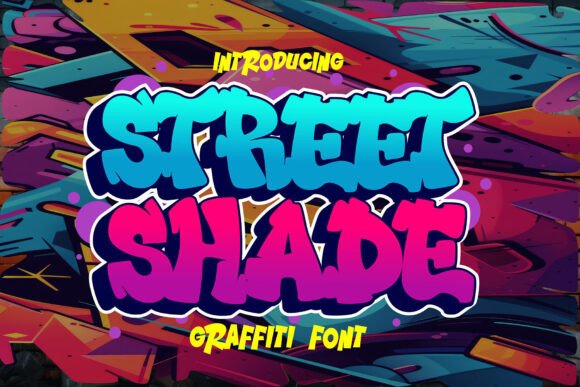
There’s a certain electricity to city life—the way sunlight bounces off glass and steel, the layered textures of brick and concrete, the bold, unapologetic marks left by street art. Capturing that raw, dynamic energy in a design project isn’t always easy. You need more than just a font; you need a typeface with a pulse, one that speaks the visual language of the streets. Enter Street Shade, a 3D graffiti font that doesn’t just sit on the page—it jumps off it. This isn’t your average display font. It’s a design asset built for impact, offering two distinct styles—a robust solid and a captivating hollow shadow—that work together to create depth and dimension. The layered arrangement is its secret weapon, allowing you to build a truly immersive typographic statement that feels authentic, bold, and infused with genuine urban flair.
More Than Just Letters: The Anatomy of Urban Style
What makes a font like Street Shade feel so alive? It’s in the details. The solid style provides a powerful, grounded foundation, perfect for headlines that need to command immediate attention. Think of the base layer of a mural—strong and defining. The hollow shadow style then adds that crucial element of depth, mimicking the way light and shadow play across three-dimensional objects in an alleyway or on a brick wall. When combined, these layers don’t just add a visual effect; they create a narrative. The font tells a story of movement, of light hitting a surface, of art being built up layer by layer. This characteristic makes it far more versatile than a standard sans serif font or a traditional script font. It’s a premium font that acts as a complete visual system, giving you the tools to construct typography that has real presence and personality.
From Concrete Canvas to Commercial Projects
The true test of any creative font is how it performs in the wild. Street Shade is engineered for projects that need to resonate with an audience attuned to street culture, music, and contemporary urban aesthetics. Its applications are as diverse as the city itself.
- Streetwear & Merchandise: This is its native habitat. Imagine this font on a hoodie, a skate deck, or a limited-edition tee. It instantly communicates brand authenticity and connects with a demographic that values style and substance. It’s the perfect typeface for a logo design that needs to look as good on a clothing tag as it does on a billboard.
- Music & Entertainment: For album art, concert posters, or social media graphics for a hip-hop artist or DJ, Street Shade brings the sound to life visually. It has the rhythm and edge to match the genre, making it ideal for marketing assets that need to hype an event or a new release.
- Brand Identity & Packaging: Small businesses targeting a youthful, urban market—like a specialty coffee roaster, a vinyl record shop, or a street food vendor—can leverage this font for impactful packaging design and brand identity. It helps a brand stand out on a crowded shelf by signaling a clear, modern, and culturally relevant point of view.
- Digital & Editorial Design: Use it for bold blog headers, magazine cover lines, or promotional graphics for a city guide. In editorial layouts, it can create dramatic section breaks and pull quotes that grab the reader’s eye. For websites, a well-placed headline in Street Shade can set the entire tone of the site, though pairing it with a highly readable body font is key.
Making It Work: Practical Advice for Flawless Implementation
Introducing a powerful, stylistic font like Street Shade into your toolkit requires a bit of strategy. Its strength is its boldness, which means it needs to be deployed with intention to maximize its impact and maintain readability.
Choose Your Style with Purpose. Before you start, consider your project’s goal. Is it a gritty, raw event flyer? The solid style might be your hero. Are you designing a sleek, modern poster for an art show? The hollow shadow style could add a sophisticated, dimensional touch. Often, the best results come from using them in tandem—the solid for a main headline and the shadow for a supporting subheading or accent text.
Master the Art of Font Pairing. A font this expressive rarely works well alone in body text. Its role is to be the star of the show in headlines, logos, and callouts. Pair it with a clean, neutral typeface for longer paragraphs. A simple sans serif font or even a classic serif font can provide the necessary breathing room and ensure your overall design remains professional and legible. This contrast is a cornerstone of modern typography and is essential for creating a balanced visual hierarchy.
Always Test for Context and Readability. What looks incredible at a large size on your screen might become illegible when printed small on a sticker or viewed on a mobile device. Always test your designs at the intended scale and on the target medium. Check the kerning (space between letters) at your chosen size, as complex, layered fonts sometimes need manual adjustment to remain clear. This step separates good design from great design.
Understand the Licensing. As with any commercial font, it’s crucial to review the license that comes with Street Shade. Most premium fonts are licensed for specific uses—like a single user, a number of computers, or for embedding in apps or digital products. Ensuring you have the correct license for your project, whether it’s for a client’s merchandise or your own blog, protects you legally and supports the type designers who create these invaluable assets.
Crafting a Recognizable Visual Voice
Ultimately, typography is a core component of your visual voice. The fonts you choose do more than display words; they convey mood, value, and identity. A typeface like Street Shade offers a direct line to an audience that appreciates boldness, creativity, and a connection to contemporary street culture. By using it consistently across your marketing materials, social media graphics, and physical products, you build a cohesive and recognizable brand identity. It’s not just about making something look cool—it’s about using design strategically to communicate exactly who you are and who you’re for. In a world saturated with generic visuals, that kind of authentic, well-executed typography is what makes a project—and a brand—truly unforgettable.