Stamp Books: The Serif Font That Tells Your Brand’s Story
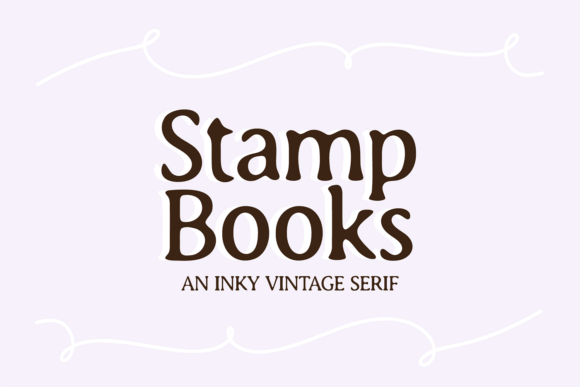
There’s a certain quiet confidence that comes with a beautifully crafted serif. It doesn’t shout; it resonates. It feels established, trustworthy, and intentionally designed. That’s the immediate sensation when you encounter Stamp Books, an elegant and bold serif font that feels less like a simple typeface and more like a foundational piece of a brand’s visual language. Its versatility is its true superpower, offering a bridge between classic refinement and contemporary boldness that so many projects crave.
A Typeface with Character, Not Just Letters
At its core, Stamp Books is a premium font defined by its strong, well-defined serifs and a balanced weight that commands attention without overwhelming the eye. The letterforms have a subtle warmth, avoiding the cold, overly geometric feel of some modern serifs. This gives it a human quality, making it perfect for projects where connection and trust are paramount. Think of the elegant headers on a boutique’s website, the stately name on a wedding invitation, or the confident logo of a new consultancy firm. It carries an air of heritage while feeling completely fresh.
This character makes it a standout choice in the crowded landscape of design assets. While a sans serif font offers clean minimalism and a script font provides personal flair, Stamp Books delivers a different kind of impact: a sense of permanence and quality. It’s the font you choose when you want your message to feel considered, substantial, and worthy of your audience’s time.
From Brand Identity to the Everyday
For designers and entrepreneurs, the real test of a font is its utility across a project’s ecosystem. Here’s where this typeface truly shines. Imagine building a brand identity from the ground up. Stamp Books can form the cornerstone of your typography system. Use its bold weight for your primary logo to establish instant recognition. Then, let its regular or italic weights carry the load for headlines across your website, blog posts, and marketing collateral, creating a seamless and professional presentation.
The applications extend far beyond digital screens. Consider the tactile world of packaging design. The sturdy serifs of Stamp Books would look stunning embossed on a candle box, printed on a craft paper bag for a bakery, or foil-stamped on a cosmetics label. It communicates quality and care, elevating the unboxing experience before the product is even revealed.
For content creators and social media managers, consistency is key to building a recognizable feed. This font provides a unified look for quote graphics, promotional announcements, and story covers. Pair a striking Stamp Books headline with a clean sans serif body text, and you have a visually cohesive and engaging template that saves time and strengthens your brand’s visual identity with every post.
Making Smart Typography Choices
Choosing the right font is a strategic decision. It’s not merely about what looks “pretty” in isolation, but about what aligns with your project’s goals and speaks to your intended audience. Stamp Books, with its blend of elegance and strength, is exceptionally well-suited for projects in the lifestyle, wedding, boutique retail, luxury goods, and professional services spaces. It suggests a curated experience, whether you’re selling handmade jewelry or offering financial advice.
A crucial part of using any creative font effectively is pairing. Stamp Books has a versatile personality that plays well with others. For a high-contrast, dynamic look, pair its bold serif with a thin, geometric sans serif. For a more harmonious and readable body text, combine its headline presence with a simple, neutral sans serif like Open Sans or Lato. Always test your pairings in context—view them on a mockup of your website, a draft of your brochure, or a sample social media tile to ensure the hierarchy is clear and the overall aesthetic works.
Don’t forget to explore the full range of styles included in the font family. A robust commercial font often comes with more than just regular and bold. Look for italic versions, which can add emphasis and a touch of sophistication, or condensed styles that are perfect for fitting elegant typography into tight spaces like banners or buttons. Understanding these options gives you greater control and creative flexibility.
Beyond Aesthetics: Practical Considerations
While visual appeal is critical, practical factors ensure your designs function smoothly. Readability is non-negotiable, especially for longer text. Stamp Books, as a display font, excels at headlines and short bursts of text. For body copy on a website or in a print article, it’s wise to use it sparingly or at a larger size, pairing it with a highly legible sans serif for paragraphs. Always test your designs at various sizes and on different devices to ensure clarity.
Another vital consideration is licensing. When you invest in a premium font, you’re not just buying letters; you’re securing the legal right to use it in your commercial projects. This is especially important for small businesses and entrepreneurs. A clear, straightforward commercial license for a font like Stamp Books protects your work and allows you to use it confidently on merchandise, in client projects, and across all your marketing assets without legal ambiguity.
Ultimately, typography is a powerful tool for visual communication. It sets the mood, guides the reader’s eye, and builds recognition. By integrating a versatile and character-rich typeface like Stamp Books into your design toolkit, you’re not just making things look good—you’re crafting a more cohesive, professional, and engaging experience for your audience, one thoughtful letter at a time.