Grunge Master: The Typeface with a Street-Wise Soul
There's a certain energy that can't be faked. It's the grit on a weathered brick wall, the crackle of a worn-out vinyl record, the rebellious streak in a hand-spray-painted logo. Capturing that raw, unpolished authenticity in a digital design is a challenge. You need a tool that doesn't just look edgy but feels it. Enter a typeface that embodies this spirit: a striking, worn-out sans serif that channels the visual noise of the streets, the legacy of rock, and the raw edges of industrial design. This isn't just another font; it's a design asset with a built-in attitude.
More Than Distressed: Understanding the Visual Language
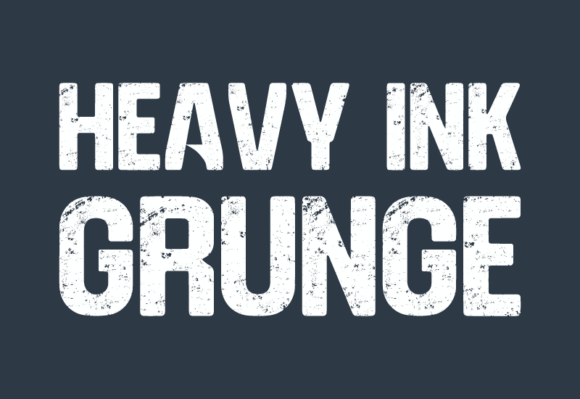
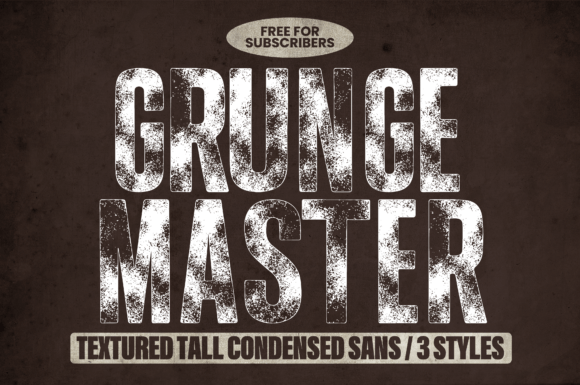
At its core, this is a tall, slim sans serif font. But to call it simply "distressed" would be an understatement. Its true character comes from a meticulously crafted ragged, textured facelift. Each letterform is intricately designed with elements of wear and tear, giving it a bizarre beauty that feels both intentional and organic. It doesn't just suggest age; it communicates a history of use, of being slapped onto walls, printed on gig posters, and worn on T-shirts. This is the visual language of rebellion, making it an ideal choice for projects that need to convey an unrefined vigour.
Think of it as a premium font with a specific job: to inject intrigue and character. While a clean, modern sans serif might whisper professionalism, this typeface shouts identity. Its distressed texture adds a layer of depth and story that a smooth font simply cannot provide, making it a powerful piece in any designer's toolkit for brand identity and visual communication.
Three Flavors of Attitude: Choosing Your Style
This creative font comes in three distinct styles, each offering a slightly different nuance of its core personality. Understanding them is key to using it effectively.
- Regular: The workhorse. This is the base style, delivering the full, unadulterated grunge aesthetic. It's perfect for bold headlines, logo design, and any application where you want the texture and attitude to be front and center.
- Italic: Introduces a dynamic slant to the already energetic letterforms. This style can add a sense of motion, urgency, or a more aggressive edge. It's excellent for call-to-action text in social media graphics or to emphasize a key word in a poster layout.
- Retalic: A more unusual, perhaps backward-leaning or uniquely stylized slant. This style is for the most daring applications, offering a quirky, off-kilter vibe that can make a design truly memorable. Use it sparingly for maximum impact in experimental layouts or unique branding for a band or art collective.
The choice between these isn't just about slant; it's about matching the specific energy of your project to the right visual frequency. A streetwear brand might live in the Regular, while a punk rock festival poster could leverage the aggressive tilt of the Italic.
From Concept to Concrete: Real-World Applications
So, where does a font with this much personality actually work? Its strength lies in projects where grabbing attention and making a bold, authentic statement is the primary goal. It's less about subtlety and more about impact.
Branding and Logo Design
For a brand that wants to position itself as edgy, alternative, or counter-culture, this typeface can become the cornerstone of a visual identity. Imagine a logo for a specialty coffee roaster with a "no-frills" ethos, a vintage motorcycle parts shop, or an independent record label. The font's texture does a lot of the heavy lifting, instantly communicating the brand's vibe before a word is even read. Paired with a simple, clean sans serif or a handwritten font for body copy, it creates a balanced yet powerful brand identity.
Posters, Merchandise, and Packaging
This is where the font truly shines. For event posters—especially for music gigs, underground art shows, or film festivals—it provides instant genre recognition. On merchandise like T-shirts, hoodies, and tote bags, it translates perfectly, as the distressed look often aligns with the worn-in feel of apparel. Even in packaging design, for products like craft beer, artisanal hot sauce, or vinyl records, it can signal a hand-crafted, rebellious spirit that stands out on a shelf.
Digital Presence: Websites and Social Media
Used strategically, this display font can energize a digital presence. It's perfect for impactful website hero sections, blog post titles on a design-focused site, or headers in an online portfolio. On social media, it's invaluable for creating scroll-stopping graphics. Think Instagram story templates, bold quote cards, or YouTube thumbnail text. The key here is contrast—using it for large, short headlines against a clean background ensures it remains legible and powerful without overwhelming the viewer.
Practical Guidance for Effective Use
Working with a highly stylized font like this requires a bit of strategy to ensure your designs are both striking and effective. Here are some practical tips.
- Pair with Purpose: Never set a paragraph in a grunge display font. The readability will plummet. The best practice is to pair it with a highly legible, neutral typeface for body copy. A clean sans serif like Helvetica, Arial, or a modern grotesque often works beautifully, providing a calm canvas for the headline font to perform. Alternatively, a simple serif font can create a compelling contrast between the raw and the refined.
- Size Matters: This is a headline and display font. Its intricate details and texture are best appreciated at larger sizes. When scaled down too small, the distressed elements can become muddy and create visual noise, hurting readability. Let it breathe and command space.
- Context is King: Always ask: does this font's personality align with my project's message? Using it for a corporate law firm's website would be a mismatch. Using it for a skate brand's new collection launch is a perfect fit. The font is a tool for visual storytelling; make sure it's telling the right story.
- Test for Legibility: Before finalizing a design, especially for logos or key marketing assets, test your text at the intended size and on different screens. Ensure the key message is instantly readable despite the texture. Sometimes, slightly adjusting letter-spacing can help.
- Commercial Considerations: As with any design asset, always review the licensing. Ensure the font's license covers your intended use, whether it's for personal projects, client work, or commercial merchandise. Understanding these details upfront prevents issues later and is a mark of a professional workflow.
Wrapping It Up: A Tool for Authentic Expression
Finding a font that carries genuine, weather-beaten character can elevate a project from merely designed to deeply felt. This particular sans serif offers a rare combination of structured form and chaotic texture, giving creatives a direct line to the aesthetic of street art, rock posters, and industrial grit. It's not a universal solution, but for the right project—a defiant brand, an edgy band, a daring editorial layout—it’s an invaluable asset. By understanding its styles, pairing it wisely, and applying it with intention, you can harness its audacious energy to create designs that don't just get seen, but remembered.