Fruit Nokizaru: The Playful Ninja Font for Bold Designs
Imagine a typeface that combines the stealthy precision of a ninja with the vibrant, playful energy of a fruit basket. That’s the unexpected charm of Fruit Nokizaru, a full-color SVG font that immediately injects personality into any project it touches. It’s not just another display font; it’s a visual conversation starter. For designers and creators tired of defaulting to safe, standard typefaces, this font offers a direct path to designs that are memorable, energetic, and full of character. It’s the kind of asset that can transform a simple title into the centerpiece of a poster or turn a basic social media graphic into a scroll-stopping piece of content.
A Burst of Color Where You Least Expect It
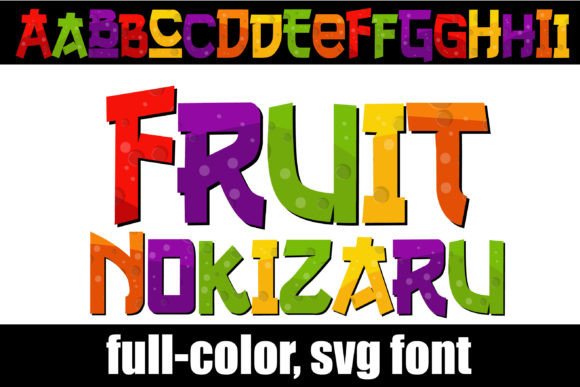
At its core, Fruit Nokizaru is an OpenType full-color (SVG) font. This means the color and intricate designs are embedded directly into the font file itself. The "fruit-like designs" aren't just outlines; they are fully rendered, colorful illustrations forming each letter and number. Think of the bold, graphic style of a ninja star reimagined with slices of citrus, segments of kiwi, and gradients of berry hues. The visual appeal is immediate and unmistakable, making it a fantastic choice for projects that need to convey fun, freshness, or a modern, edgy aesthetic.
A key feature to explore is the included alternate character set. This "alt case" provides additional color variations and stylistic options. Accessing these glyphs is straightforward through your operating system’s character map—FontBook on Mac or the Character Map utility on Windows—or directly within design software like Silhouette Studio. This flexibility allows you to mix and match styles within a single word, adding another layer of custom flair to your branding or creative work.
Practical Applications for the Modern Creative
The true value of a creative font like this lies in its application. It’s not designed for body text in a novel, but it excels in scenarios where impact is the primary goal. Consider how Fruit Nokizaru could serve a variety of projects:
- Branding & Logo Design: For a juice bar, a children’s entertainment company, a trendy dessert shop, or a gaming streamer, this font can form the foundational visual identity. It communicates a specific vibe instantly.
- Packaging & Merchandise: Imagine this font on product labels for artisanal hot sauces, fruit-based snacks, or craft sodas. It’s equally at home on tote bags, t-shirts, and stickers for a brand with a playful, urban edge.
- Marketing & Social Media: Use it for sale announcements, event posters, Instagram story headers, or YouTube thumbnails. Its color and detail ensure it stands out in a crowded feed, boosting engagement and click-through rates.
- Editorial & Digital Products: It can create striking chapter titles in a cookbook, headlines for a food blog, or cover art for a digital planner. The key is using it strategically for high-impact moments.
- Print Materials & Invitations: Birthday party invitations, festival flyers, or boutique menu designs can all benefit from its unique, celebratory character.
Making It Work: Integration and Compatibility
Working with full-color SVG fonts is simpler than it sounds. Installation is identical to any standard .otf font file. The main consideration is software compatibility. Programs like Adobe Illustrator, Photoshop, InDesign, Silhouette Studio, QuarkXPress, and Inkscape fully support these fonts, rendering the colors as intended. In non-compatible programs, the font will default to a solid black silhouette of the design.
A practical tip: don’t be alarmed if the font appears black in a preview or font selection window, even in compatible software. The true test is to type out your text on the actual canvas. If the colors appear there, you’re good to go. This is a common characteristic of SVG font technology.
Pairing and Professional Considerations
Because Fruit Nokizaru is so visually distinctive, pairing it with other typefaces requires a thoughtful approach. The goal is balance, not competition. For any accompanying body text, logos, or supporting information, opt for clean, highly legible fonts. A simple sans-serif font or a classic serif font works beautifully. This contrast allows the display font to be the star while ensuring the overall design remains professional and readable. Avoid pairing it with other ornate script fonts or handwritten fonts, as this can create visual chaos.
When integrating this font into a brand identity, consistency is crucial. Use it sparingly and deliberately—typically for main headlines, logos, or key accents—to build recognition without overwhelming your audience. Always review the full glyph set; the alternates can offer surprising solutions for specific letter combinations or stylistic preferences.
Finally, for any commercial project, verifying the font’s licensing terms is a non-negotiable step. Most premium fonts, including this one, come with specific licenses for different uses (e.g., personal, commercial, mass production). Understanding these terms ensures your project is legally sound and respects the creator’s work.
Fruit Nokizaru is more than just a novelty; it’s a specialized design asset. It solves a specific creative problem: how to add a dose of vibrant, illustrated personality to typography. By understanding its strengths, its technical requirements, and the contexts where it shines, you can leverage this font to create designs that are not only visually striking but also strategically effective for your brand or creative vision.